
Investor Conferences 2026-2027 in Canada and the U.S.
Upcoming investor conferences for public companies, updated regularly.
Request the full list and access links
Investor conferences put you in front of institutional investors, analysts and brokers in one place, often with a full day of one-on-one meetings. Getting a seat can be the hard part: many are by invitation, hosted by investment banks for the companies they cover or want to know.
We track the conferences that matter for companies listed in Canada and the U.S., from bank-hosted events in Toronto and New York to sector and retail investor shows, and can tell you which ones fit your story.
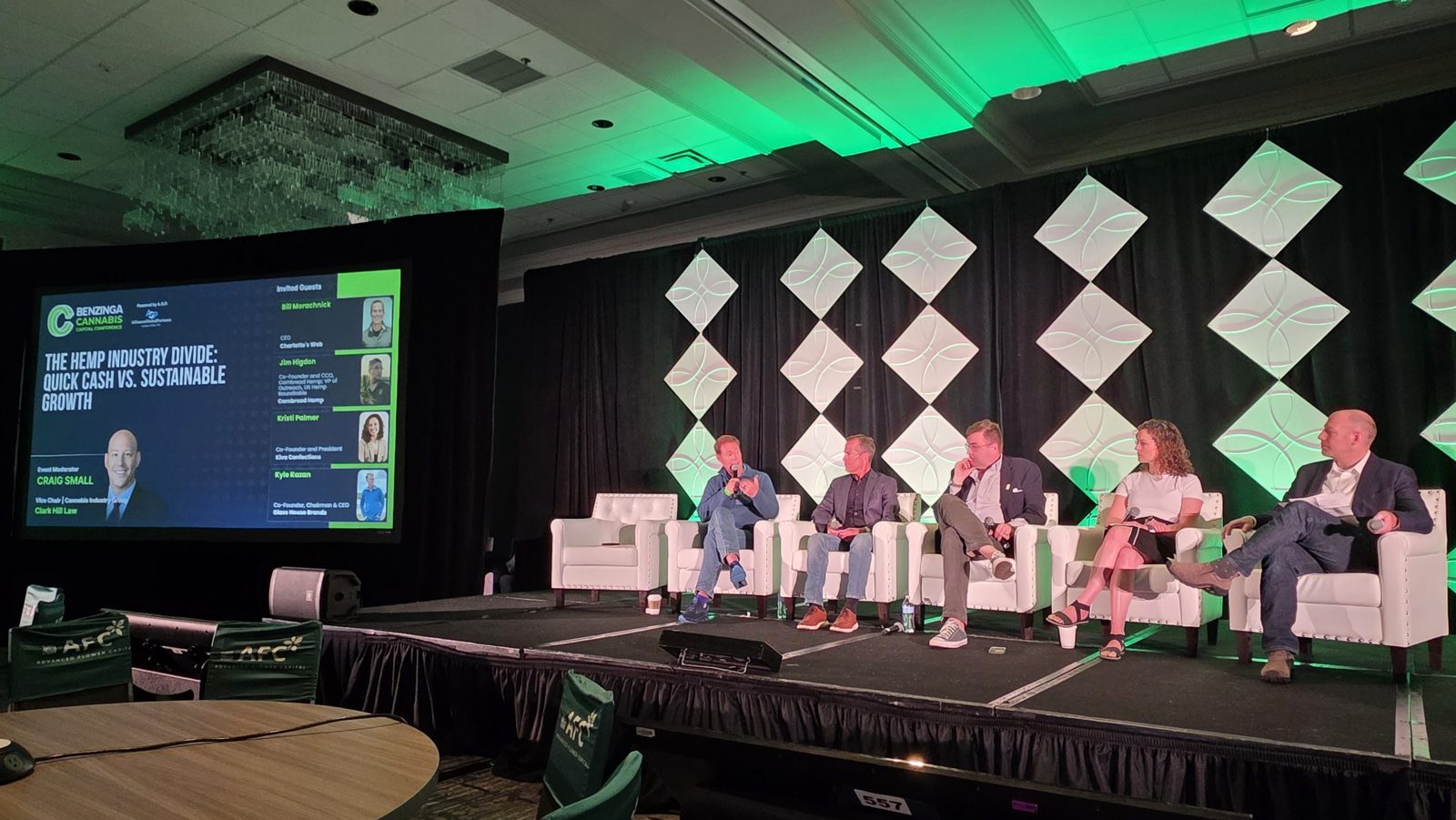
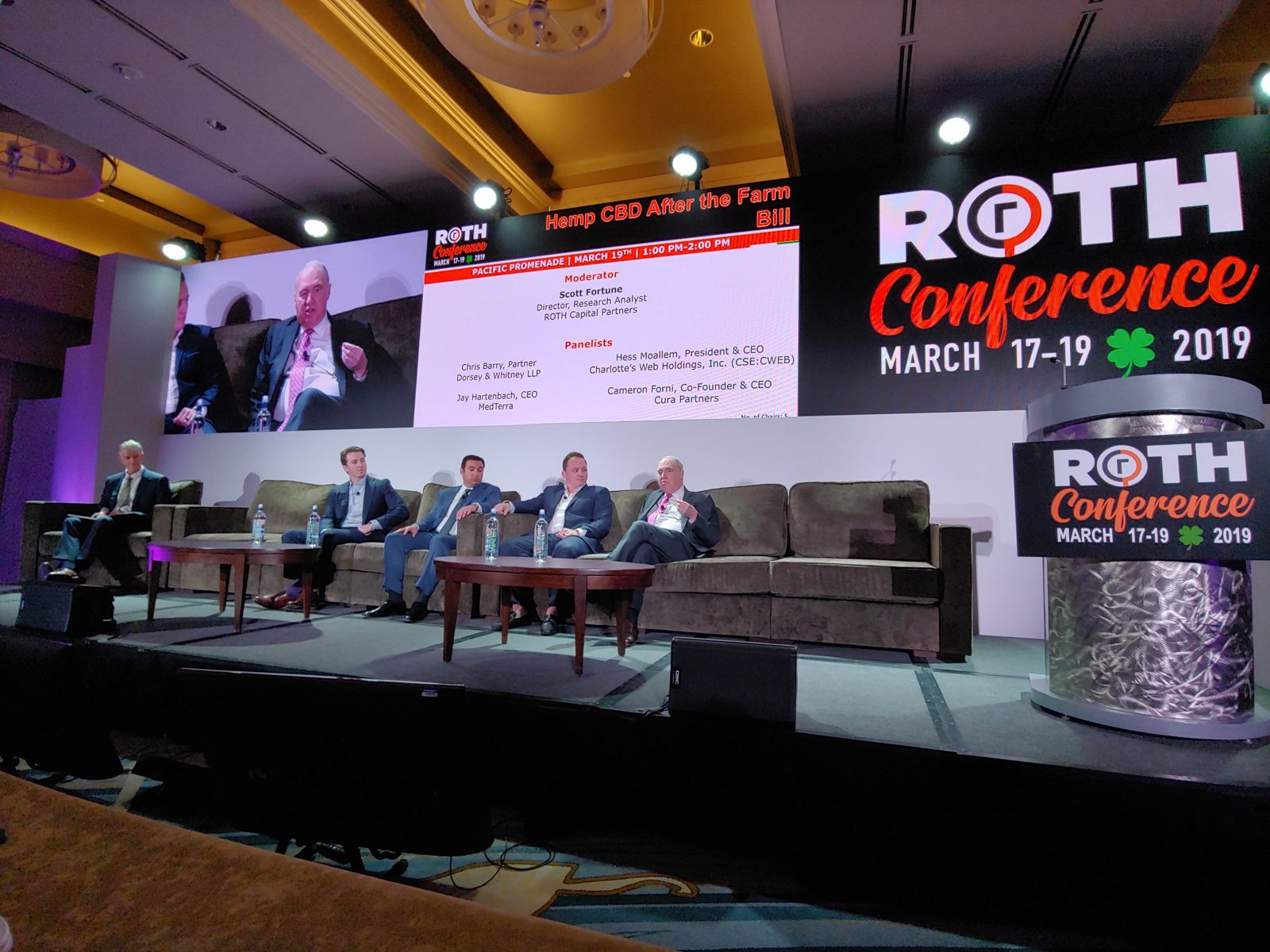
On the conference circuit
On the road.









Investor conferences and capital raising: what management asks us
Which conferences are worth management's time?
Judge a conference by its investor list, not its name. Ask the organizer who attended last year, and how many one-on-ones a company of your size got and with whom. A bank-hosted conference where the bank covers you, or wants to, usually delivers the best meetings, because its sales desk has already primed the room. A large-cap headliner where you are the smallest company in the building rarely does.
How do we get invited to bank-hosted conferences without coverage?
Invitations come from the bank's corporate access team, with input from research, sales and equity capital markets. Without coverage, the path runs through the sales desk and ECM: a story that fits what their accounts own, a non-deal roadshow the desk can sell, and a relationship that predates the ask. An invitation from a bank that does not cover you is often an audition, for coverage or for the next mandate. Treat it as one.
How are investor conferences tied to capital raises?
They do most of their work before the deal. Investors who have met management, followed two or three quarters and watched you deliver what you said are the ones a dealer calls first, and they shorten the marketing. Once a financing is in contemplation the rules change: a one-on-one becomes a selective disclosure question, and any pre-marketing runs through the dealer and counsel. Settle the script before you get on the plane.
One-on-ones, small groups or the main stage?
For most small and mid-caps, one-on-ones and small groups. The presentation builds visibility; positions usually start in the meetings. In a raise, weight the schedule to funds that can invest now. Otherwise keep room for larger funds: their portfolio managers and analysts carry your story to peers, and a fund that has followed you for two years is ready to buy once you are big enough.
How do meetings turn into shareholders?
Rarely in one meeting. Many institutions meet management for several quarters before they buy, to see whether the company does what it said it would. Get investor feedback from the organizer's sales team within days, send what management promised, and watch who builds a position over the next two quarters through shareholder identification and filings. The investors who ask for a second meeting are the ones to prioritize next time.
Should we attend during a quiet period?
It is a call for your disclosure committee, not a calendar rule. Many companies attend and keep to the public record and strategy; others decline anything in the last weeks of a quarter. Decide before you accept the invitation, and brief everyone who will be in the room the same way.