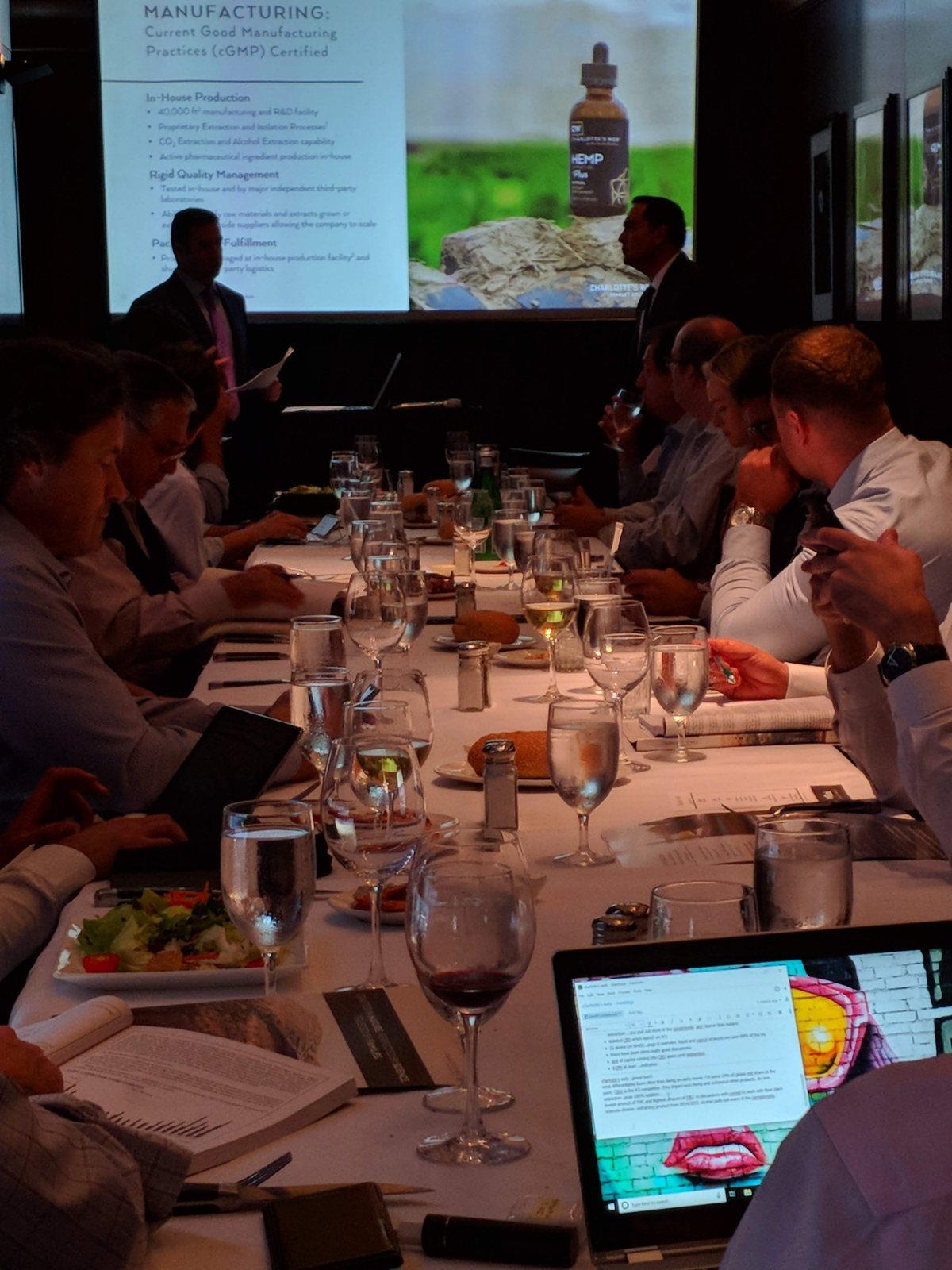
The presentation is where investors hear the story. The one-on-one is where they decide whether to own it. Most of a conference's value sits in the meeting book, so that is where most of our preparation goes.
Control the list. Organizers fill schedules with their best clients, not necessarily the investors you need. We send our own priority list early: current holders, funds that own your peers, and funds that fit your size, liquidity and stage. In a financing window the list weights toward funds that can invest now; otherwise we keep room for larger funds that will follow you until you are big enough to own.
Brief management on every meeting. Each gets a one-page backgrounder: the fund's size and style, what it owns, whether and when it has met the company before, its relationship with the sponsoring bank, and what it asked last time. Where we can, we call ahead to confirm who is attending, what they want to cover and whether they want the deck in advance. The meeting is more productive, and the follow-up starts from a relationship.
In the room, two company people where practicable, and notes on each meeting the same day: questions, concerns, what landed, requests and who owns the follow-up. Small-group meetings mute questions, since investors are reluctant to show their hand in front of competitors; we offer a private follow-up to anyone who stayed quiet.
Nothing in a one-on-one goes beyond the public record. Information that would be material if shared with one investor has to be released to all.